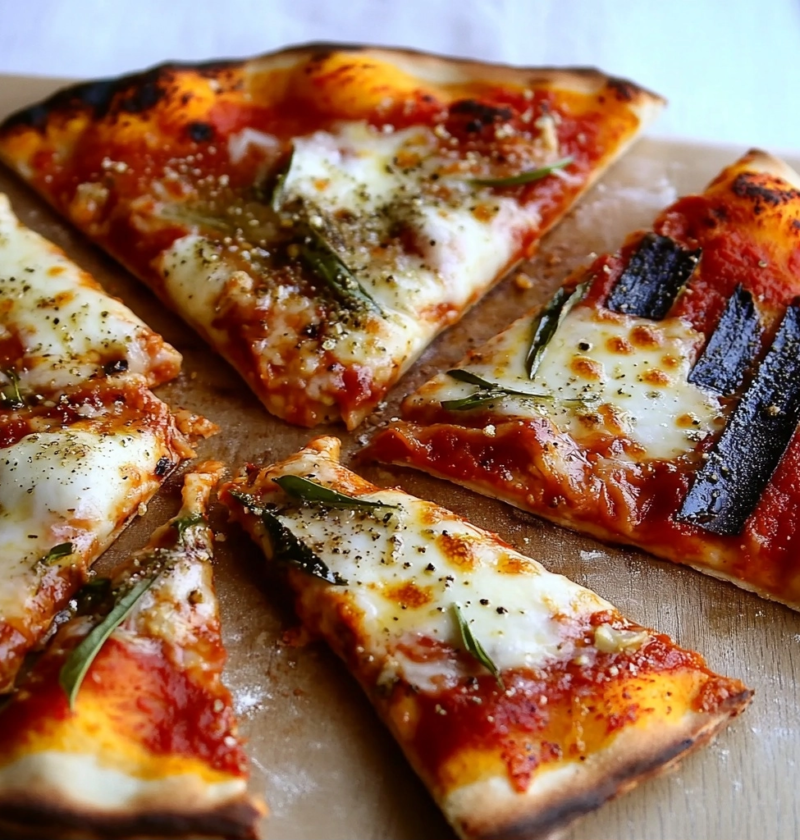
Grilled pizza is a homemade pizza cooked directly on a hot grill grate, producing a beautifully blistered, smoky crust that a kitchen oven simply cannot replicate. The intense direct heat creates a crisp bottom, a chewy interior, and deep char marks in minutes, making this method ideal for weeknight dinners, backyard gatherings, and anyone who loves bold flavor with minimal effort.
| Detail | Information |
|---|---|
| Prep Time | 20 minutes (plus dough resting time) |
| Cook Time | 8 to 10 minutes per pizza |
| Total Time | 30 minutes (per batch) |
| Servings | 4 servings (4 individual pizzas) |
| Difficulty | Medium |
| Cuisine | Italian-American |
| Category | Dinner, Main Course |
| Method | Grilling (direct and indirect heat) |
Why This Recipe Works
This grilled pizza recipe works because it relies on a proven two-zone grilling method that gives you complete control over crust doneness and topping melt. The hot side sears the dough quickly, creating those signature leopard-spotted char marks and a blistered surface, while the cooler side allows you to add toppings without burning the bottom. This balance of direct and indirect heat is the secret behind a crust that stays chewy inside and crisp outside.
The dough is prepared at least one day in advance, which is not a shortcut but a deliberate technique. Cold fermentation develops complex flavor in the gluten structure, making the dough easier to stretch, less prone to tearing, and far more flavorful than a same-day dough. That overnight rest in the refrigerator gives the yeast time to work slowly, producing subtle tang and a lighter, airier crumb once the dough hits the grill grates.
Topping restraint is another reason this recipe delivers consistent results. By spreading a thin layer of seasoned tomato sauce, using a modest amount of shredded melting cheese, and finishing with a hard grated cheese, the pizza cooks evenly without excess moisture weighing down the crust. Overloaded grilled pizzas steam instead of crisp, and this recipe avoids that pitfall entirely by encouraging you to top sparingly and let the smoky dough shine.
Finally, the recipe is built for speed once the grill is hot. Each pizza cooks in under ten minutes total, which means you can feed a crowd by working in batches without anyone waiting long. The method scales naturally, and the hands-on time is genuinely short once your toppings are prepped and arranged beside the grill. This combination of make-ahead dough, fast cook time, and bold smoky flavor is what makes grilled pizza a favorite in my kitchen all summer long.
Image ALT: Grilled pizza with blistered crust, melted mozzarella, and fresh basil on a wooden cutting board
Chef Tips for Perfect Results
These tips come from years of grilling pizza on both charcoal and gas setups, and each one addresses a specific challenge that home cooks encounter when they move pizza from the oven to the grill.
- Cold dough stretches better: Keep your portioned dough balls refrigerated until you are ready to roll them out. Cold dough holds its shape, resists tearing, and stretches into a thin, even round without snapping back. Warm dough becomes sticky and elastic, making it difficult to transfer to the grill.
- Brush oil generously but evenly: Use extra-virgin olive oil on both sides of the dough, but spread it in a thin, even layer with a pastry brush or your fingertips. Pooled oil causes flare-ups and uneven charring, while too little oil causes the dough to stick stubbornly to the grate.
- Season the dough before it hits the grill: A light sprinkle of kosher salt and freshly ground black pepper on the oiled side before grilling adds savory depth to the crust itself, not just the toppings. This small step transforms the crust from a vehicle for toppings into a flavorful component on its own.
- Watch for visual cues, not the clock: The dough is ready to flip when the bottom shows distinct grill marks, the surface bubbles aggressively, and the edges turn opaque and slightly dry. This usually takes about one minute over high heat, but grill temperature varies, so trust your eyes more than a timer.
- Flip onto the cooler side, not back onto the hot zone: After flipping, immediately slide the crust to the indirect-heat side so you can top it without the bottom burning. This two-zone approach is the single most important technique for grilled pizza success.
- Top sparingly and in the right order: Spread a thin layer of tomato sauce first, then add shredded melting cheese, followed by any prepared toppings, and finish with grated hard cheese. Heavy-handed topping traps steam under the pizza and produces a soggy center instead of a crisp base.
- Use the lid briefly to melt cheese: Closing the grill for one to two minutes after topping creates enough ambient heat to melt shredded cheese without overcooking the crust. Remove the lid as soon as the cheese looks glossy and just beginning to bubble.
- Finish on the hot side for maximum crispness: After the cheese has melted, slide the pizza back over direct heat for thirty to sixty seconds to blister and crisp the underside. Check frequently with a spatula to prevent scorching, then transfer immediately to a cutting board.
Image ALT: Close-up of grilled pizza dough on hot grill grate showing char marks and bubbling surface
Common Mistakes to Avoid
Avoiding these common errors will save you from stuck dough, soggy crust, and unevenly melted cheese on your very first attempt.
| Mistake | Why It Happens | How to Fix It |
|---|---|---|
| Dough sticks to the grill grate | The grate was not hot enough or the dough was not oiled on the bottom side before placing it down. | Preheat the grill fully for at least ten minutes, oil the grate with a high-smoke-point oil, and brush the dough generously on the side that will touch the grate. |
| Crust burns before toppings melt | All cooking happens over direct high heat with no cooler zone to slow things down. | Set up a two-zone fire with a hot side and a cooler side. Sear the dough on the hot side, then move it to the cooler side to add toppings and melt cheese with the lid closed. |
| Soggy, floppy center | Too much tomato sauce, wet toppings, or excess cheese traps steam under the pizza. | Use a thin, even layer of sauce, pre-cook moist toppings like mushrooms or spinach to drive off moisture, and top sparingly with cheese in a single layer. |
| Dough tears when stretching | The dough was over-kneaded, too warm, or not rested long enough after portioning. | Refrigerate the dough balls for at least one hour before shaping. Let them sit at room temperature for only five minutes, then roll or stretch gently from the center outward. |
| Uneven cooking with raw spots | The dough was rolled too thick in some areas or the grill had significant hot spots. | Roll the dough to a consistent quarter-inch thickness and rotate the crust ninety degrees halfway through the initial sear to account for hot spots on the grate. |
| Bland, flat flavor | The dough was not seasoned, the sauce was under-seasoned, or toppings were added cold straight from the refrigerator. | Salt and pepper the oiled dough before grilling, taste and adjust your tomato sauce, and bring refrigerated toppings to room temperature for fifteen minutes before assembling. |
| Cheese browns too quickly or burns | Shredded cheese was exposed to direct high heat for too long without the cooler-zone step. | Move the pizza to the cooler zone immediately after flipping, add cheese, close the lid for one to two minutes, and monitor closely. Remove as soon as the cheese melts and turns glossy. |
Image ALT: Overhead view of grilled pizza ingredients arranged on a wooden table beside a charcoal grill
Variations and Substitutions
This grilled pizza recipe is highly adaptable, and the following swaps let you customize it for dietary needs, flavor preferences, or whatever ingredients you have on hand.
| Ingredient or Element | Substitution or Variation | Impact on Flavor or Texture |
|---|---|---|
| Pizza dough | Store-bought refrigerated dough or whole wheat pizza dough | Store-bought dough saves prep time but may lack the complex flavor of cold-fermented homemade dough. Whole wheat dough adds a nutty, earthy flavor and a slightly denser, chewier texture. |
| Tomato sauce | Pesto, white garlic sauce, or olive tapenade | Pesto adds herby, nutty richness without moisture issues. White garlic sauce creates a creamy, savory base. Olive tapenade delivers briny, salty depth that pairs beautifully with smoky crust. |
| Mozzarella cheese | Smoked mozzarella, provolone, or dairy-free cheese shreds | Smoked mozzarella amplifies the grill flavor. Provolone melts smoothly with a slightly sharper bite. Dairy-free shreds work but may not brown the same way and can have a different melt texture. |
| Parmesan or Pecorino | Aged Asiago or nutritional yeast | Aged Asiago offers a similar salty, nutty sharpness. Nutritional yeast provides a savory, umami-rich finish for dairy-free diets but lacks the crystalline texture of aged hard cheese. |
| Classic toppings | Grilled vegetables, seasoned ground turkey, or marinated artichoke hearts | Grilled vegetables add smoky sweetness and color. Ground turkey provides lean protein without heaviness. Artichoke hearts contribute tangy, tender bites that complement the charred crust. |
| Red pepper flakes | Calabrian chili paste or smoked paprika | Calabrian chili paste adds fruity, complex heat with less sharpness. Smoked paprika contributes warm, sweet smokiness without significant spiciness, pairing naturally with the grill flavor. |
| Fresh herbs for garnish | Basil pesto drizzle, arugula tossed in lemon juice, or fresh oregano | A pesto drizzle adds richness and color. Peppery arugula with lemon creates a bright contrast to the smoky crust. Fresh oregano delivers a more pungent, Mediterranean aroma than basil alone. |
| Individual round pizzas | Rectangular flatbread or grilled pizza roll-ups | Rectangular flatbreads are easier to shape and serve for a crowd. Roll-ups create a handheld option with sealed edges that keep melted cheese inside during grilling. |
| Charcoal grill | Gas grill or pellet grill | Gas grills offer more precise temperature control and faster setup. Pellet grills add subtle wood-smoke flavor with less hands-on fire management, though they may not reach the same peak searing temperatures. |
Image ALT: Grilled pizza with pesto base, grilled vegetables, and shaved Parmesan on a rustic board
Serving Suggestions and Pairings
Serving grilled pizza with the right accompaniments turns a simple meal into a memorable spread, and these pairings are designed to balance the smoky, rich flavors of the grill with fresh, bright, and satisfying sides.
- Mixed green salad with lemon vinaigrette: A simple salad of arugula, baby spinach, and shaved fennel dressed with lemon juice, olive oil, and a pinch of salt cuts through the richness of melted cheese and smoky crust.
- Grilled vegetable antipasto platter: Charred bell peppers, zucchini rounds, and asparagus spears drizzled with balsamic glaze complement the grilled pizza theme and add color to the table.
- Classic Caesar salad: Crisp romaine, crunchy croutons, and a garlicky, tangy dressing provide a familiar pairing that never disappoints alongside a hot slice of grilled pizza.
- Marinated olive and cheese board: Castelvetrano olives, marinated artichoke hearts, cubes of aged provolone, and roasted red peppers make an easy appetizer while the pizzas are grilling in batches.
- Roasted garlic hummus with pita chips: Creamy, savory hummus with warm pita chips offers a satisfying starter that keeps guests occupied while you work the grill.
- Sparkling water with citrus slices: Cold sparkling water with lemon, lime, and fresh mint is a refreshing, alcohol-free option that cleanses the palate between slices.
- Fresh fruit salad: A bowl of watermelon, strawberries, and blueberries tossed with a squeeze of lime provides a light, sweet finish that balances the savory main course.
- Grilled corn on the cob: Butter-brushed corn grilled alongside the pizza takes advantage of the same heat and adds a sweet, smoky side dish with zero extra effort.
- Garlic knots or breadsticks: Soft, buttery garlic knots made from the same pizza dough offer a warm, comforting side that everyone loves.
- Tiramisu or affogato for dessert: A make-ahead tiramisu or a simple affogato with vanilla ice cream and hot espresso rounds out an Italian-inspired grilled pizza dinner beautifully.
For a complete meal, start with the marinated olive and cheese board while the grill heats up, serve the grilled pizza alongside the mixed green salad and grilled corn, and finish with a bowl of fresh seasonal fruit. This menu feeds four to six people generously and requires minimal additional cooking beyond the pizza itself.
Image ALT: Grilled pizza slices on a cutting board next to a fresh green salad and sparkling water
Make Ahead Options
The dough is the primary make-ahead component, and it actually improves with advance preparation. Mix and knead the pizza dough up to three days before grilling, portion it into individual balls, and store each ball in a lightly oiled, sealed container or zip-top bag in the refrigerator. The slow, cold fermentation develops deeper flavor and better texture than a same-day dough, so preparing the dough one to two days ahead is not just convenient but genuinely recommended for the best results.
Toppings and sauce can also be prepared up to two days in advance. Cook any raw toppings such as ground turkey or grilled vegetables, let them cool completely, and store them in airtight containers in the refrigerator. Prepare your tomato sauce, pesto, or white sauce and refrigerate it separately. Shred or grate cheeses and keep them in sealed bags. On the day of grilling, simply arrange all prepped toppings beside the grill on a sheet pan or large platter so everything is within arm’s reach once the dough hits the grate.
Image ALT: Portioned pizza dough balls resting in oiled containers on a kitchen counter ready for grilling
Storage and Reheating
Proper storage preserves the crust’s texture and the freshness of the toppings, and reheating correctly restores the crispness that makes grilled pizza so satisfying.
| Method | Duration | Instructions |
|---|---|---|
| Room Temperature | Up to 2 hours | Grilled pizza is best served immediately. If holding for a short time, keep slices on a wire rack set over a sheet pan in a warm area. Do not cover with foil or plastic wrap, as trapped steam softens the crust. |
| Refrigerator | Up to 3 days | Let leftover slices cool to room temperature, then stack them with parchment paper between each slice. Place the stack in an airtight container or wrap tightly with plastic wrap. Refrigerate promptly to maintain food safety. |
| Freezer | Up to 2 months | Flash-freeze individual slices on a parchment-lined baking sheet for one hour, then transfer to a freezer-safe zip-top bag with parchment between slices. Press out excess air before sealing. Label with the date for easy tracking. |
| Reheating | 5 to 7 minutes at 400°F | Reheat refrigerated or frozen slices directly on the grate of a preheated grill or in a 400°F oven on a preheated baking sheet or pizza stone. The direct heat restores crispness to the bottom. Avoid the microwave, which makes the crust rubbery and chewy in an unpleasant way. |
| Make Ahead (Dough) | Up to 3 days | Store portioned dough balls in individual oiled, airtight containers in the refrigerator. Remove from the fridge five to ten minutes before rolling to take the chill off slightly. Dough can also be frozen for up to three months; thaw overnight in the refrigerator before using. |
Image ALT: Leftover grilled pizza slices stacked with parchment paper in an airtight container for storage
Nutritional Information
Approximate values are based on one serving and may vary depending on exact ingredients and portion size.
| Nutrient | Amount per Serving |
|---|---|
| Calories | 310 kcal |
| Protein | 14 g |
| Fat | 12 g |
| Saturated Fat | 5 g |
| Carbohydrates | 36 g |
| Fiber | 2 g |
| Sugar | 4 g |
| Sodium | 620 mg |
Frequently Asked Questions
Can I use store-bought dough for grilled pizza?
Yes, store-bought refrigerated pizza dough works well for grilled pizza and saves significant prep time. Choose a dough that feels soft and slightly tacky, and let it sit at room temperature for ten minutes before rolling. The crust will still develop char marks and smoky flavor, though homemade cold-fermented dough offers deeper, more complex taste.
How do I know when grilled pizza is done?
Grilled pizza is done when the underside shows distinct blistered char marks and feels firm when lifted with a spatula, and the cheese on top has melted completely and turned glossy. The crust edges should be puffed and slightly darkened, and the total cooking time is typically eight to ten minutes across both zones. If the bottom sounds hollow when tapped, the crust is perfectly crisp.
Why does my grilled pizza dough keep falling apart on the grill?
Dough falls apart on the grill most often because it was stretched too thin, the grill was not hot enough, or the dough was too warm and sticky when placed on the grate. Roll the dough to a consistent quarter-inch thickness, make sure the grill is fully preheated to high heat, and keep the dough cold until the moment you oil and season it. Properly oiled dough releases cleanly from a hot, well-oiled grate.
Can I prepare grilled pizza dough the night before?
Preparing grilled pizza dough the night before is actually the ideal approach for the best flavor and texture. Mix, knead, and portion the dough into individual balls, then store them in oiled, sealed containers in the refrigerator for up to three days. The slow cold fermentation develops a more nuanced, slightly tangy flavor and makes the dough significantly easier to stretch without tearing.
What is the best cheese combination for grilled pizza?
The best cheese combination for grilled pizza includes a shredded melting cheese like mozzarella or fontina for stretch and creaminess, paired with a hard grated cheese like Parmesan or Pecorino for sharp, salty flavor. Use the melting cheese as the base layer and finish with the hard cheese after toppings are added. This two-cheese approach delivers both the gooey pull and the savory punch that make pizza irresistible.
How do I reheat leftover grilled pizza without making it soggy?
Reheat leftover grilled pizza by placing slices directly on the grate of a preheated grill or on a preheated baking sheet in a 400°F oven for five to seven minutes. The direct dry heat restores the crust’s crispness and re-melts the cheese without trapping steam. Avoid using a microwave, which produces rubbery, soft crust, and do not cover the pizza with foil during reheating, as this traps moisture and prevents crisping.
Image ALT: Freshly grilled pizza with melted cheese and fresh herb garnish being sliced on a wooden board
Grilled pizza delivers everything a home cook wants from a weeknight meal: bold smoky flavor, a perfectly blistered crust, and the kind of hands-on cooking that feels both rewarding and fun. By preparing your dough in advance, setting up a two-zone fire, and topping with restraint, you will produce a pizza that rivals any wood-fired oven. Gather your ingredients, heat the grill, and make this grilled pizza your new go-to dinner for warm evenings and casual gatherings with family and friends.
===META_START===
SEO Title: Grilled Pizza Recipe Perfect Smoky Crust Every Time
Meta Description: Master grilled pizza with this easy recipe for a blistered, smoky crust and melty toppings. Get chef tips, variations, and serving ideas for the perfect cookout meal.
Focus Keyword: Grilled Pizza
URL Slug: grilled-pizza-recipe
===META_END===
===RECIPE_CARD_START===
{
“title”: “Grilled Pizza”,
“description”: “This grilled pizza recipe produces a perfectly blistered, smoky crust with melty cheese and your favorite toppings in under 30 minutes using a simple two-zone grilling method.”,
“ingredients”: “Pizza dough, preferably made at least 1 day in advance; extra-virgin olive oil for brushing; kosher salt; freshly ground black pepper; shredded melting cheese such as mozzarella, fontina, or Jack; hard flavorful cheese such as Parmesan or Pecorino; roughly pureed seasoned tomatoes or tomato sauce; toppings of choice, prepared and applied sparingly; fresh herbs or sliced scallions for garnish.”,
“instructions”: “1. Prepare pizza dough ahead of time and portion it before grilling. 2. Set up all toppings next to the grill. 3. Arrange coals or burners for a two-zone grill with a hot side and a cooler side. 4. Roll out each dough ball, brush one side with olive oil, and season with salt and pepper. 5. Place the dough oil-side down on the hot side of the grill and cook for about 1 minute, rotating as needed, until bubbly and marked. 6. Brush the top with oil, then flip the crust and slide it to the cooler side. 7. Top sparingly with shredded cheese, grated hard cheese, tomato sauce, and any prepared toppings. 8. Cover briefly if needed to melt the cheese. 9. Slide the pizza back over the hot side and cook until the underside is blistered and crisp, checking with a spatula. 10. Transfer to a cutting board, garnish with fresh herbs or scallions, slice, and serve.”,
“prep_time”: “20 minutes”,
“cook_time”: “10 minutes”,
“total_time”: “30 minutes”,
“yield”: “4 servings”,
“category”: “Dinner Ideas”,
“cuisine”: “Italian-American”,
“calories”: “310”,
“protein”: “14 g”,
“fat”: “12 g”,
“carbohydrates”: “36 g”,
“fiber”: “2 g”,
“sugar”: “4 g”,
“sodium”: “620 mg”
}
===RECIPE_CARD_END===
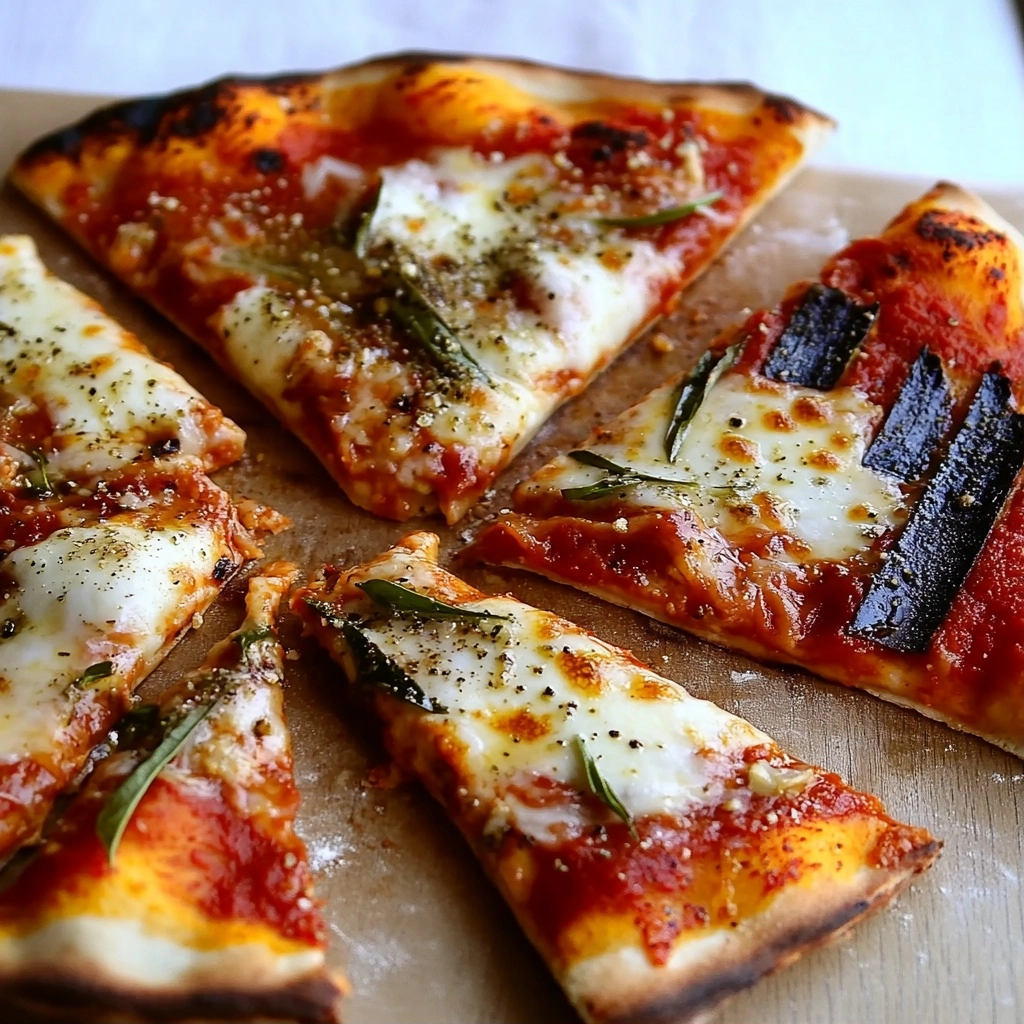
Grilled Pizza Recipe for Perfect Smoky Crust Every Time
Ingredients
Method
- Dissolve yeast in warm water (105°F/40°C) with 1/2 tsp sugar. Let sit 5 minutes until foamy.
- Mix flour, sugar, salt in a large bowl. Add yeast mixture and 1 tbsp olive oil. Stir by hand then knead 8-10 minutes until smooth.
- Shape into a ball, brush with 1 tbsp olive oil, cover, and refrigerate 12-24 hours.
- Preheat grill on high for 15 minutes. Create two zones: direct heat for searing and indirect for toppings (cover half with an upside-down aluminum foil tray to lower temp).
- Divide dough into 4 balls. Gently stretch each into 10-12" rounds. Brush dough with olive oil on both sides.
- Place dough on direct heat zone. Grill 1-2 minutes per side until golden and charred, then transfer to indirect zone.
- Top 1 side with thin layer of sauce, mozzarella, and Parmesan. Close grill lid and cook 4-6 minutes until cheese melts. Repeat for remaining pizzas.
Nutrition
Notes
Cold-fermented dough is key to flavor and structure—do not skip the fridge rest.
Scale recipe by doubling/quartering dough batch and adjusting grill setup accordingly.
Keep toppings light: avoid leafy greens or pre-cooked proteins that release moisture.