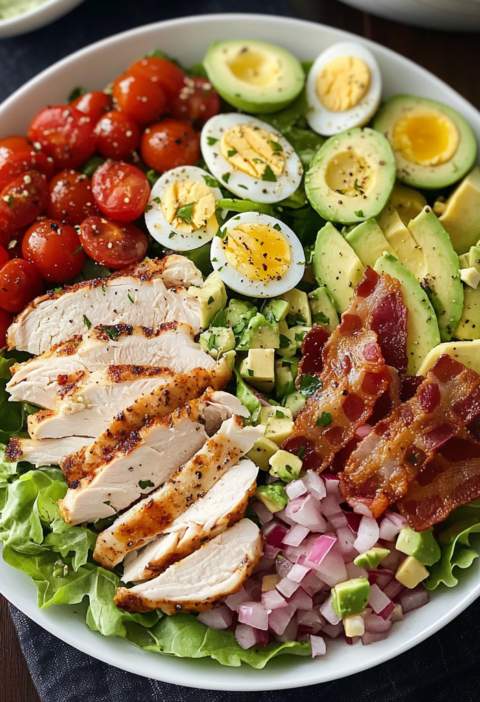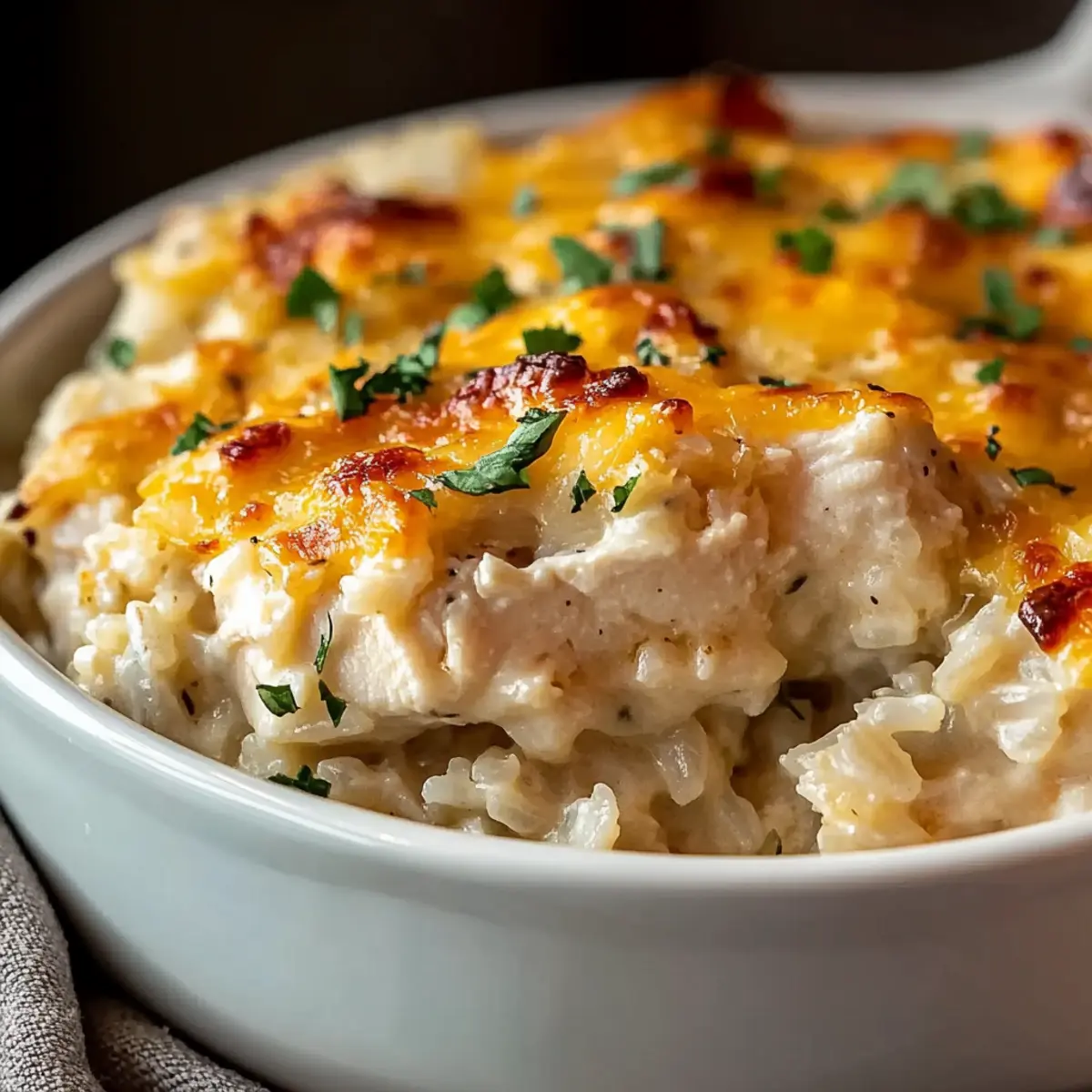
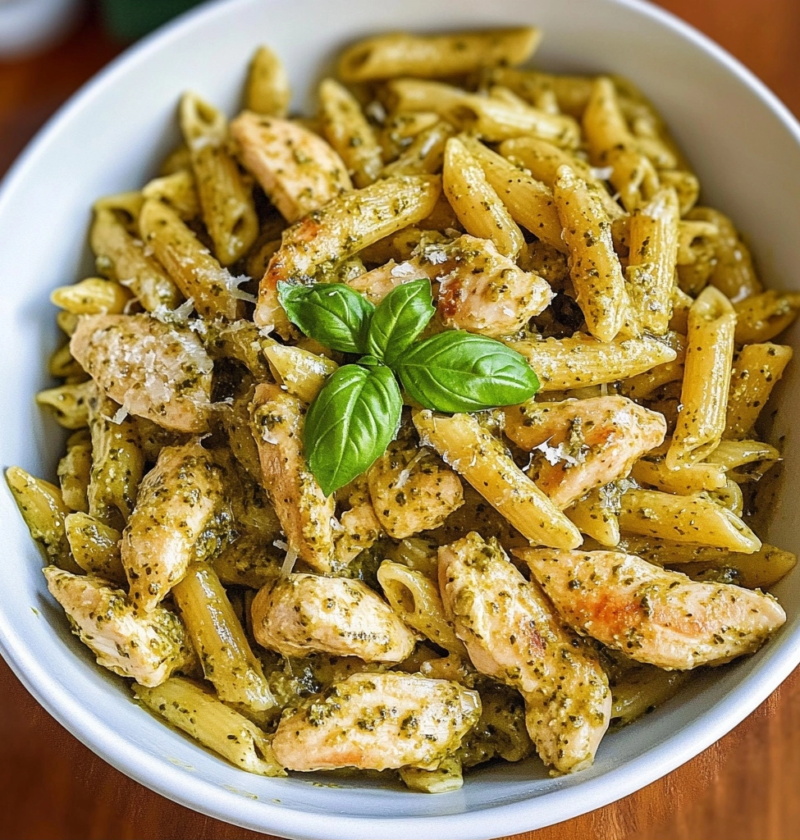
Chicken Pesto Pasta delivers a rich and creamy meal in under thirty minutes. This dish combines tender chunks of chicken with vibrant basil flavors for a perfect weeknight dinner. The sauce clings to every noodle without overwhelming your palate.
Why This Recipe Works
This recipe works because it balances creamy textures with fresh herb notes effortlessly. I have refined this method to ensure the sauce remains consistent throughout the cooking process.
The integration of chicken broth ensures a deeper flavor profile without needing heavy cream. Each bite offers a satisfying mix of protein and carbohydrates that keeps you full.
Timing is crucial for the perfect al dente pasta texture. Using reserved pasta water allows the sauce to bind naturally with the noodles.
You will find that the Italian seasoning complements the basil perfectly without overpowering it.
Chef Tips for Perfect Results
- Season the chicken thoroughly: Ensure you coat every piece of meat before cooking for maximum flavor.
- Prep your aromatics first: Mince garlic and chop onions before heating the pan to avoid burning.
- Monitor sauce consistency: Stir the pesto mixture constantly to prevent it from separating.
- Sear the chicken properly: Brown the meat on medium-high heat to lock in juices.
- Use fresh parmesan: Grating it yourself ensures better melting properties than pre-shredded options.
- Save pasta water: Always keep a bowl of starchy liquid nearby for thinning the sauce.
- Control heat levels: Add the dairy after removing the pan from heat to prevent curdling.
- Taste before serving: Adjust salt levels after the cheese is added as it is already salty.
Common Mistakes to Avoid
| Mistake | Why It Happens | How to Fix It |
|---|---|---|
| Soggy pasta | Overcooking the noodles | Follow package times and drain immediately |
| Separate sauce | Too much heat during mixing | Turn off flame before adding cream |
| Bland flavor | Underseasoned chicken | Salt and pepper the meat well before cooking |
| Mushy texture | Adding pasta too early | Combine ingredients at the last minute |
| Uneven cooking | Pieces of chicken too large | Cut meat into uniform bite-sized cubes |
Variations and Substitutions
| Ingredient or Element | Substitution or Variation | Impact on Flavor or Texture |
|---|---|---|
| Pasta | Use penne or fusilli instead of spaghetti | Curl shapes hold more sauce than long strands |
| Chicken | Substitute with shrimp or tofu | Shrimp cooks faster while tofu requires marinating |
| Basil Pesto | Swap for red pesto or sun-dried tomato | Changes the color and introduces a sweetness |
| Half-and-half | Use heavy cream or coconut milk | Heavy cream adds richness while coconut adds sweetness |
| Parmesan | Use nutritional yeast or romano | Yeast reduces calories while romano adds salt |
| Broth | Use vegetable broth or white wine | Vegetable broth keeps it vegetarian while wine adds acidity |
| Butter | Use olive oil instead | Oil offers a lighter mouthfeel than dairy fat |
| Garlic Powder | Add fresh minced garlic | Fresh garlic provides a sharper, more pungent kick |
| Basil Garnish | Use parsley or cilantro | Parsley is more neutral while cilantro adds citrus notes |
Serving Suggestions and Pairings
This dish pairs beautifully with simple side items that do not compete for attention.
- Garlic bread or crusty baguette for dipping
- Grilled asparagus spears with lemon zest
- Caprese salad with fresh mozzarella
- Roasted cherry tomatoes and zucchini
- Iced herbal tea or sparkling water
- A light green salad with vinaigrette
- Steamed green beans with almonds
- Citrus fruit wedges for acidity
For a complete meal experience, serve this pasta alongside a crisp Caesar salad and warm breadsticks. The freshness of the greens cuts through the richness of the pesto sauce.
Make Ahead Options
You can prepare most components up to one day in advance to save time on busy evenings.
Cook the pasta slightly under al dente to prevent it from becoming mushy upon reheating. Store the cooked pasta and sauce separately in airtight containers in the refrigerator.
When ready to serve, combine them over low heat gently. Add a splash of water or broth to restore the creamy texture.
Storage and Reheating
| Method | Duration | Instructions |
|---|---|---|
| Room Temperature | 2 hours | Keep out for short service periods only |
| Refrigerator | 3 days | Store in sealed containers to protect from odors |
| Freezer | 1 month | Freeze sauce and pasta separately for best quality |
| Reheating | 5 minutes | Simmer with extra liquid in a skillet |
| Make Ahead | 24 hours | Assemble ingredients but do not heat until serving |
Nutritional Information
Approximate values are based on one serving and may vary depending on exact ingredients and portion size.
| Nutrient | Amount per Serving |
|---|---|
| Calories | 550 |
| Protein | 35g |
| Fat | 28g |
| Saturated Fat | 12g |
| Carbohydrates | 45g |
| Fiber | 3g |
| Sugar | 2g |
| Sodium | 780mg |
Frequently Asked Questions
Can I substitute the chicken for another protein?
Yes, you can use shrimp, tofu, or even chickpeas for a vegetarian version. Each protein cooks at a different rate, so adjust the timing accordingly during the process.
How do I know when the pasta is done cooking?
The pasta should be tender yet retain a slight firmness when you bite into it. Always test it two minutes before the package directions suggest to avoid overcooking.
What should I do if the sauce becomes too thick?
Add reserved pasta water a tablespoon at a time until the desired consistency returns. The starch helps emulsify the sauce for a silky finish.
Can I freeze this chicken pesto pasta dish successfully?
Yes, freezing is possible but the sauce may separate slightly upon thawing. You should reheat it slowly while whisking to bring the texture back together.
Is this dish suitable for meal prep?
Absolutely, this meal prepares very well for the work week if you store components properly. Reheating it gently ensures the best flavor and texture every time.
How do I store leftovers safely in the fridge?
Place the food in an airtight container within two hours of cooking to prevent bacterial growth. Consume it within three days for the highest safety standards.
Conclusion
This Chicken Pesto Pasta recipe offers a satisfying and comforting meal for any day of the week. The balance of savory chicken and fresh basil makes it a favorite among families. Make it tonight to enjoy a warm and delicious comfort dish.
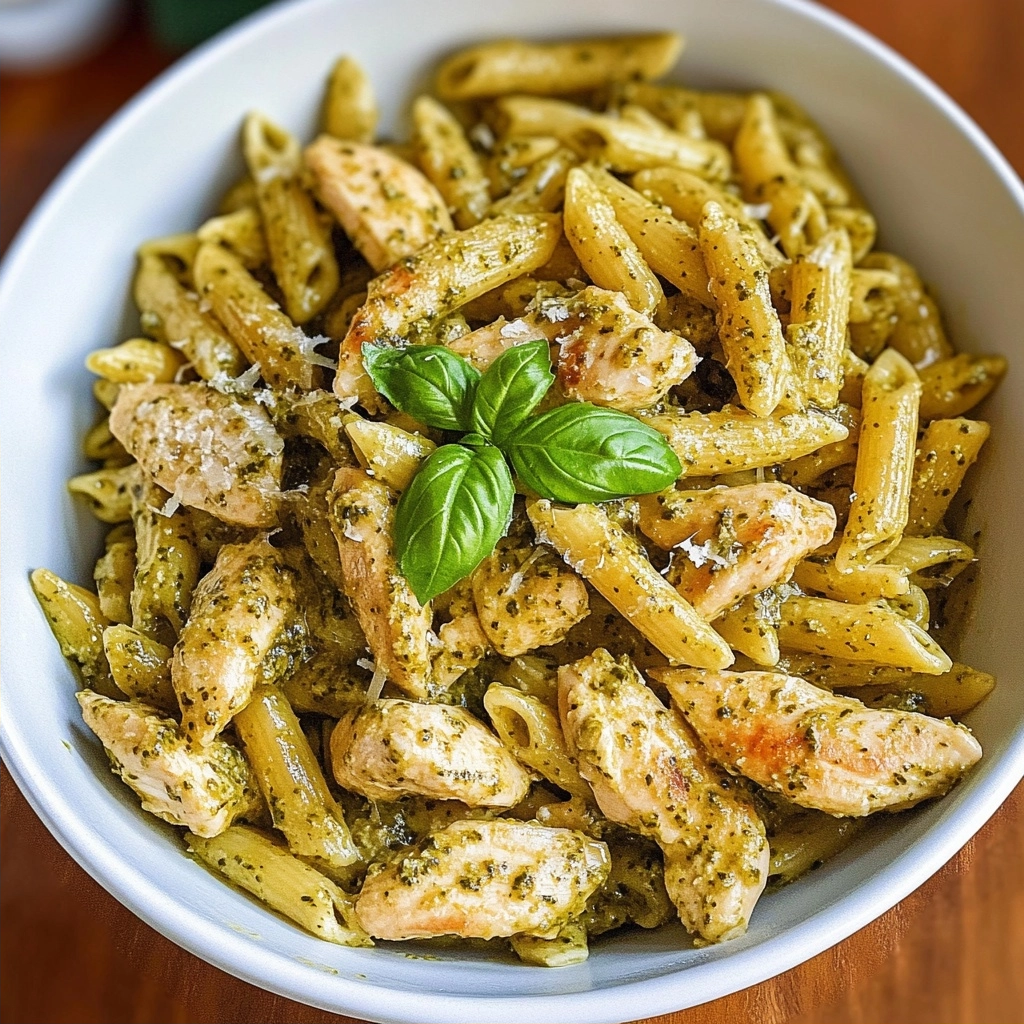
Chicken Pesto Pasta Recipe: Quick Comfort in a Bowl
Ingredients
Method
- Bring a large pot of salted water to a boil for pasta. Season chicken evenly with 1/2 tsp Italian seasoning and salt.
- Heat 1 teaspoon olive oil in a large skillet over medium-high heat. Sear chicken cubes until golden brown and cooked through (about 5-7 minutes). Set aside.
- In the same skillet, sauté onions in remaining olive oil until translucent (3 minutes). Add garlic and cherry tomatoes, cook 2-3 minutes until tomatoes soften.
- Blend seared pasta water (1/2 cup) with chicken broth, pesto, and remaining Italian seasoning. Add Parmesan to emulsify the sauce.
- Cook pasta al dente (8-10 minutes), drain, and return to pot. Toss with pesto-broth mixture until creamy. Fold in seared chicken, ensuring even coating.
- Garnish with additional Parmesan and black pepper before serving.
Nutrition
Notes
Save 1/2 cup pasta water for sauce emulsification
Skip cherry tomatoes for a tomato-free version
Use vegan Parmesan for non-dairy adaptation
Add steamed broccoli or spinach for added fiber
For extra basil flavor, stir in 1/4 cup fresh basil leaves at serving
Lemon zest enhances brightness if pesto is mild