
I never expected a humble steamed cake could transport me to the vibrant streets of the Philippines, but that’s exactly what my first bite of Kutsinta did. This delightful Filipino dessert, known for its chewy texture and inviting color, is surprisingly simple to prepare. With just a few pantry staples and one bowl, you can whip up these delightful steamed rice cakes that are sure to impress both family and friends. What I love most about this Kutsinta recipe is its versatility; it’s not only gluten-free with just a quick swap of flour, but it also offers the ease of being a crowd-pleaser with minimal effort. So, are you ready to embark on a cooking adventure that brings a taste of Filipino tradition into your kitchen? Let’s dive in!
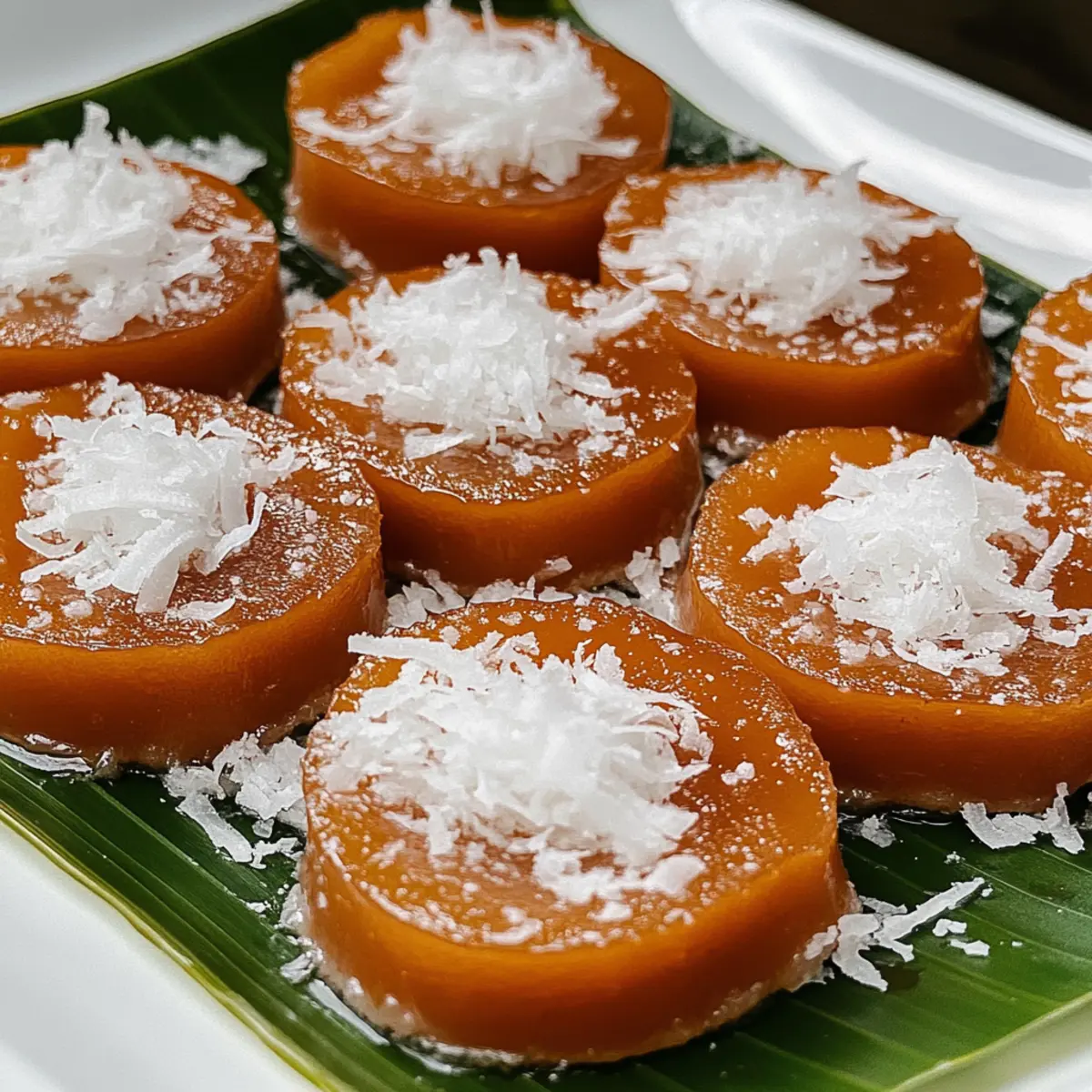
Why is Kutsinta so irresistible?
Simplicity at its finest: Just one bowl and a handful of ingredients makes this recipe hassle-free, perfect for busy cooks.
Unique Texture: The delightful chewiness of kutsinta sets it apart from typical desserts, making each bite an enjoyable experience.
Versatile Flavors: Customize your batch with toppings like grated coconut or even experiment with variations like adding latik for a rich twist!
Guilt-Free Treat: With approximately 93 calories per serving, it’s a light option that can satisfy your sweet cravings without the extra guilt.
Cultural Experience: Bringing a taste of the Philippines into your kitchen allows you to share this beloved comfort food with family and friends, easily sparking joy during gatherings.
For more delicious Filipino recipes, check out my Baked Jollof Rice or try these delightful Coffee Truffles for a sweet treat after your kutsinta!
Kutsinta Recipe Ingredients
• For the Steamed Cakes
- All-Purpose Flour – Provides structure and stability; for a gluten-free option, use rice flour.
- Tapioca Flour – Adds that signature chewy texture; can also be replaced with cassava or glutinous rice flour.
- Brown Sugar – Sweetens the cake with a mild molasses flavor; either light or dark brown sugar works well.
- Annatto Powder – Gives your kutsinta its vibrant color without affecting the flavor; can be omitted if color isn’t a priority.
- Water – The main liquid ingredient needed to achieve the right batter consistency.
- Lye Water – Contributes to the unique chewy texture; replace it with equal parts tapioca flour and all-purpose flour for a similar effect.
- Pandan Extract – Infuses a delightful aroma; feel free to swap it for vanilla extract if preferred.
- Grated Coconut – This topping adds flavor and texture; freshly grated is best, but you can use desiccated or frozen as a substitute.
- Oil – Used to grease molds, making it easier to release the steamed cakes.
Let the irresistible Kutsinta be a charming centerpiece for your next gathering or a special treat just for yourself!
Step‑by‑Step Instructions for Kutsinta Recipe
Step 1: Combine Dry Ingredients
In a mixing bowl, whisk together 1 cup of all-purpose flour, ½ cup of tapioca flour, ½ cup of brown sugar, and 1 tablespoon of annatto powder until well blended. This step ensures that your dry ingredients are evenly distributed, which is crucial for achieving the right texture in your Kutsinta. Look for a smooth mixture free of lumps to ensure a creamy batter.
Step 2: Add Liquids
Gradually pour in 1 ½ cups of water, 2 tablespoons of lye water, and 1 teaspoon of pandan extract into the dry ingredients. Use a whisk to blend until you achieve a smooth, pourable batter. The batter should have a slightly thick consistency resembling pancake batter. This ensures that your Kutsinta will have the delightful chewy texture that we all love!
Step 3: Strain Mixture
To ensure a lump-free batter, strain the mixture through a fine-mesh sieve into a spouted measuring cup. This process removes any clumps and creates a silky consistency for your Kutsinta. Make sure to have a bowl underneath to catch any excess batter, and pay attention to the smoothness as you pour to ensure that each cake will have a perfect texture.
Step 4: Prepare Molds
Grease your Kutsinta molds with a light coating of coconut oil or non-stick spray to facilitate easy release after steaming. This preparation step is vital, as it prevents sticking and helps maintain the beautiful shape of your steamed cakes. Ensure that every mold is evenly coated for the best results!
Step 5: Fill Molds
Using the spouted measuring cup, pour approximately 2½ tablespoons of the batter into each prepared mold. Be filled to just below the rim to allow for rising during steaming. This step is crucial for controlling the size of each Kutsinta. Aim for a uniform filling to ensure that all the cakes cook evenly.
Step 6: Steam
Bring a steamer filled with water to a gentle boil over medium heat. Carefully place the filled molds in the steamer, cover with a cloth-wrapped lid to catch condensation, and steam for about 25 to 35 minutes. Your Kutsinta is done when the tops are set and glossy, a sign that they have been cooked perfectly.
Step 7: Cool and Unmold
Once steamed, gently remove the molds from the steamer and let the Kutsinta cool for a few minutes. To release, run a spatula around the edges before gently lifting each cake out. This step is important to ensure that your Kutsinta retains its shape and remains intact while you are preparing to serve.
Step 8: Add Toppings
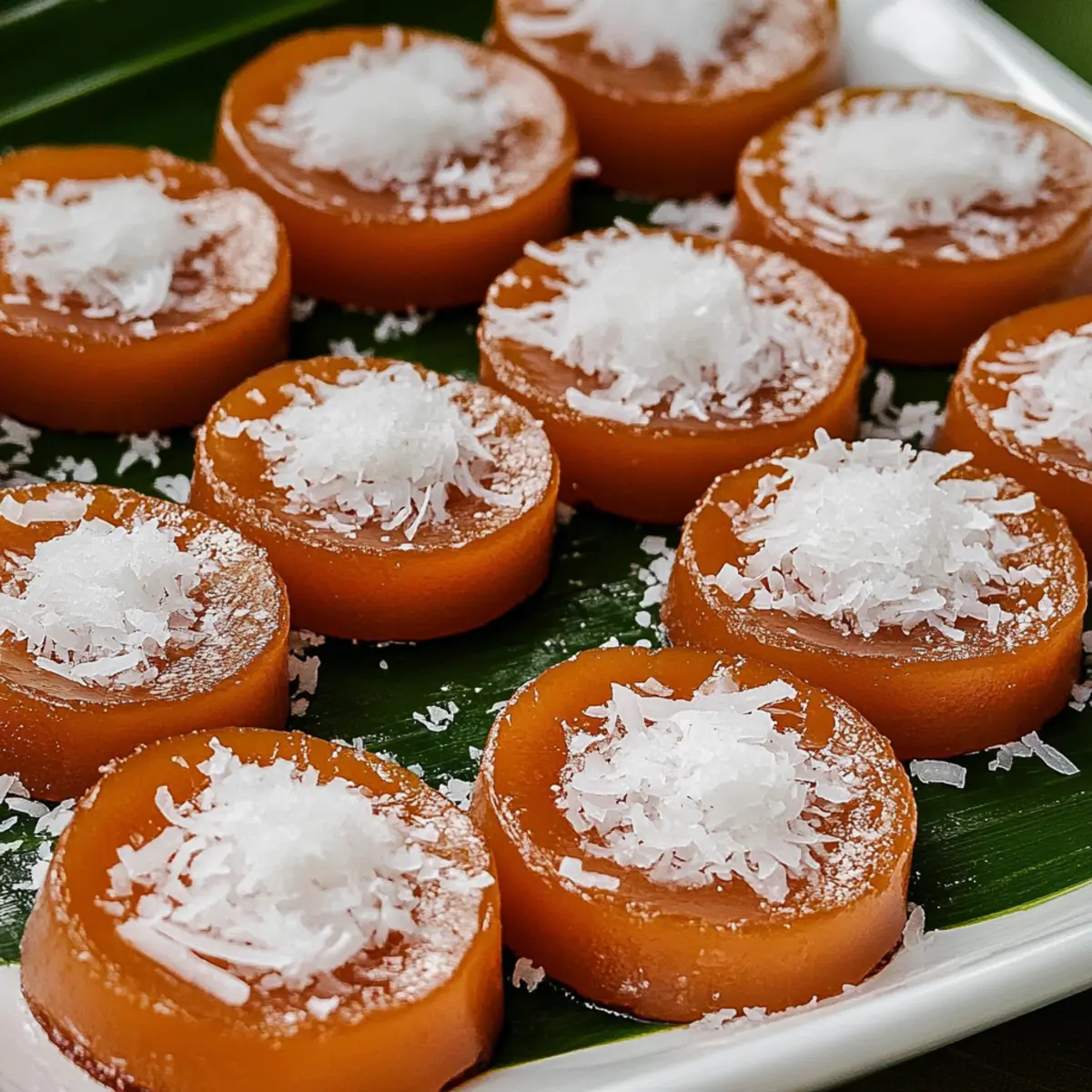
Generously sprinkle freshly grated coconut over the cooled Kutsinta for added flavor and texture. You can also try variations like toasted coconut or latik for a rich twist. This decorative touch enhances not only the taste but also the visual appeal, making each Kutsinta a delightful treat to enjoy and share!
Storage Tips for Kutsinta Recipe
Room Temperature: Store leftover kutsinta at room temperature in an airtight container for up to 2 days. This keeps its delightful chewiness intact for your next indulgence.
Fridge: If you want to extend the freshness, keep kutsinta in the refrigerator for up to 4 days. Just make sure it’s in a well-sealed container to prevent drying.
Freezer: For longer storage, freeze kutsinta for up to 2 months. Wrap each piece individually in plastic wrap, then store in a freezer-safe bag.
Reheating: To enjoy frozen kutsinta, simply steam them while still wrapped, or microwave them for about 15-20 seconds, until warmed through. Don’t forget to add fresh grated coconut on top before serving for that authentic touch!
Make Ahead Options
These Kutsinta are fantastic for meal prep lovers craving quick sweet treats! You can prepare the batter up to 24 hours in advance; simply mix the ingredients and refrigerate until you’re ready to steam. Be sure to store it in an airtight container to prevent drying out. Additionally, the unsteamed batter can sit in the refrigerator if you’re planning to serve them within a couple of days; just give it a good whisk before filling the molds to ensure the texture remains smooth. When ready to enjoy your Kutsinta, steam as directed and top with grated coconut just before serving to keep the flavors fresh and vibrant. This way, you’ll have time-saving deliciousness at your fingertips!
Helpful Tricks for Kutsinta Recipe
-
Strain for Smoothness: Ensure your batter is lump-free by straining it. This step is crucial for achieving the characteristic silky texture of kutsinta.
-
Measure Accurately: Use a spouted measuring cup for pouring batter into molds to ensure consistent size and cooking. This helps all your kutsinta cook evenly.
-
Check for Gloss: Assess doneness by looking for a glossy top on your steamed cakes. If they’re still matte, they may need more steaming.
-
Experiment with Flours: Swap out all-purpose flour for rice flour for a gluten-free option without losing that beloved chewy texture of kutsinta.
-
Cool Before Serving: Let your kutsinta cool in the molds before unmolding to prevent them from breaking apart and maintain their shape.
-
Grease Well: Don’t skip greasing the molds thoroughly with oil; this will help you release the kutsinta easily after steaming and keep their lovely form.
What to Serve with Chewy Kutsinta?
Elevate your meal experience with delightful pairings that beautifully complement the unique flavors of this Filipino steamed cake.
-
Coconut Milk Latte: A creamy, rich drink that mirrors the coconut flavor on your kutsinta, creating a warm and comforting combination.
-
Filipino Style Pork Adobo: The savory, tangy notes of adobo create a delicious contrast to the sweetness of kutsinta, making it a perfect pairing.
-
Fresh Mango Slices: Juicy and sweet, fresh mango adds a refreshing touch that balances the chewy texture of your dessert beautifully.
-
Ginger Tea: This warm drink offers a soothing spice that enriches the overall dining experience, especially when enjoying kutsinta as an afternoon treat.
-
Banana Lumpia: These crispy, caramelized banana spring rolls provide a delightful textural contrast, enhancing the overall enjoyment of your meal.
-
Ube Halaya: The sweet, creamy purple yam spread brings a fun twist that pairs wonderfully with the flavors of kutsinta, adding vibrant color too.
The combination of sweet and savory dishes alongside the chewy kutsinta creates an unforgettable feast. Enjoy exploring these delightful options!
Kutsinta Recipe Variations & Substitutions
Feel free to personalize your kutsinta and make it truly yours with these fun twists!
-
Gluten-Free: Substitute all-purpose flour with rice flour for a delightful chewy treat that everyone can enjoy.
-
Alternative Chew: Swap tapioca flour with cassava flour or glutinous rice flour to explore different chewy textures in your kutsinta.
-
Sweetness Levels: Use coconut sugar instead of brown sugar for a more caramel-like sweetness and a slight twist in flavor.
-
Color Variation: If annatto powder is unavailable, you can skip it altogether or rely on a drop of natural food coloring for a sweet pop of color.
-
Flavor Infusion: For a fun flavor upgrade, add 1 teaspoon of orange zest to the batter for a citrusy surprise that complements the sweetness beautifully.
-
Coconut Topping: Instead of just grated coconut, try topping your kutsinta with sweetened coconut milk for an indulgent twist. Drizzling it over each cake gives a rich and creamy experience.
-
Savory Addition: Add a sprinkle of grated cheese on top before serving for a surprising balance of sweet and savory that can wow your guests.
-
Spiced Version: Mix in a pinch of cinnamon or nutmeg into the batter for a warm, spicy note that might just steal the show!
Each of these variations sparks creativity in the kitchen and allows you to share this delightful dessert in new and exciting ways. As you explore these options, don’t forget to check out my delicious Shrimp Risotto or whip up some Peppercorn Sauce for a gorgeous meal that pairs perfectly with your warm kutsinta!
Kutsinta Recipe FAQs
What type of flour should I use for the best Kutsinta?
You can use all-purpose flour for a traditional texture, but for a gluten-free option, I highly recommend substituting it with rice flour. Rice flour will still provide that wonderful chewiness, making your Kutsinta just as delightful!
How should I store leftover Kutsinta, and for how long?
To keep your leftover Kutsinta fresh, store them at room temperature in an airtight container for up to 2 days. If you prefer to extend their shelf life, place them in the refrigerator where they will last about 4 days. Just make sure they are sealed well to maintain their moisture and softness.
Can Kutsinta be frozen? If so, how?
Absolutely! You can freeze Kutsinta for up to 2 months. Wrap each piece individually in plastic wrap and then place them in a freezer-safe bag. This helps prevent freezer burn, keeping them fresh for whenever you want to enjoy a tasty treat!
What do I do if my Kutsinta doesn’t have that desired chewy texture?
If your Kutsinta turns out a bit rubbery or too dense, it could be due to oversteaming or using too much lye water. Always make sure you’re measuring lye water carefully and check the cooking time. The tops should be glossy and set but not dry—this is a great indicator of proper doneness.
Are there any allergy concerns with Kutsinta?
Yes, if you or your guests have gluten allergies, ensure you use rice flour instead of all-purpose flour for your Kutsinta. Additionally, check for coconut allergies, as the grated coconut topping is integral to the recipe. Always adjust your ingredients according to dietary requirements to keep everyone’s health in mind!
How can I enhance the flavor of my Kutsinta?
You can elevate your Kutsinta by adding flavor extracts in place of pandan, like vanilla or even almond. Additionally, consider toppings! Freshly grated coconut is a must, but you can also try sweetened coconut milk or latik for a rich and creamy twist that enhances the overall taste.
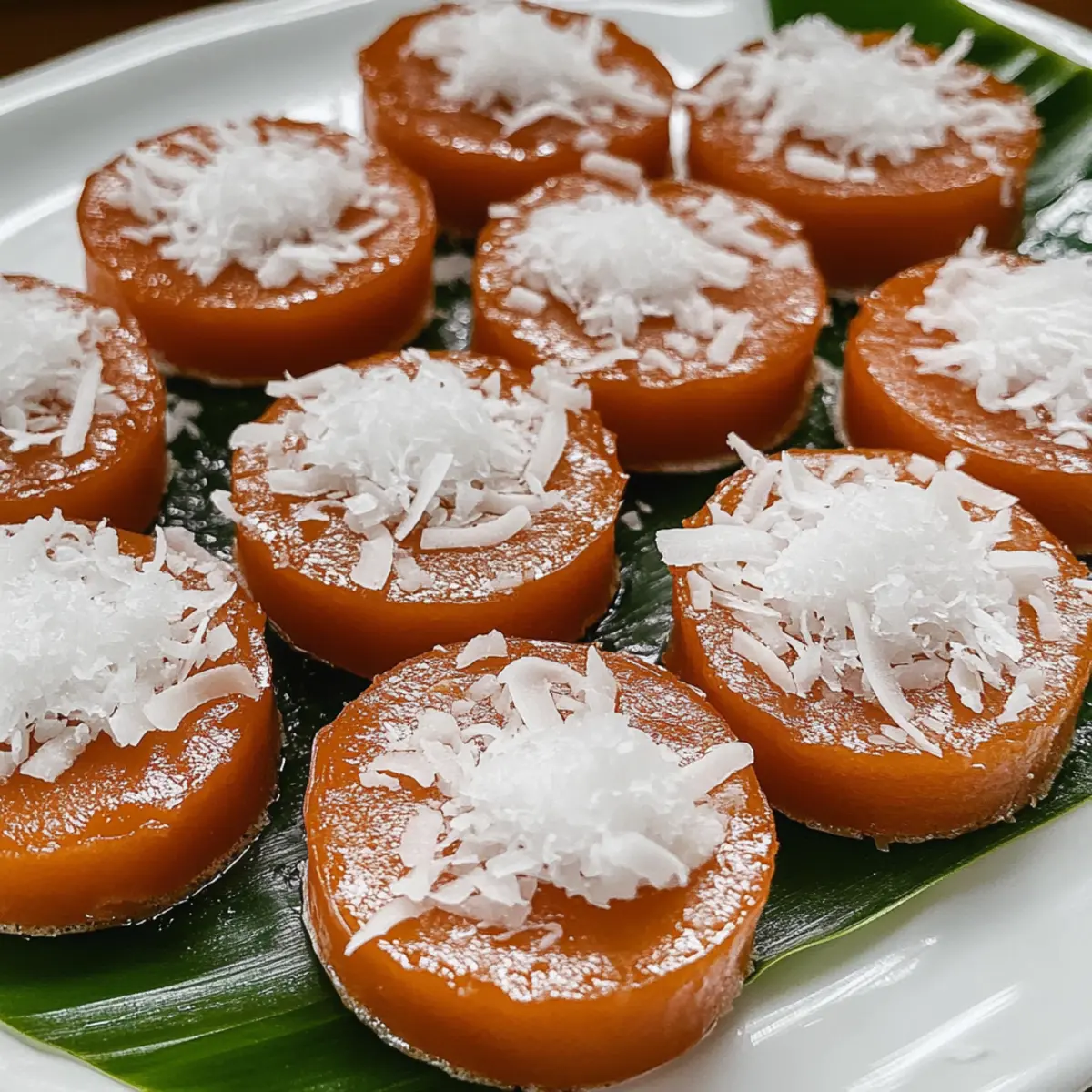
Chewy Kutsinta Recipe: Easy Filipino Delights at Home
Ingredients
Equipment
Method
- In a mixing bowl, whisk together 1 cup of all-purpose flour, ½ cup of tapioca flour, ½ cup of brown sugar, and 1 tablespoon of annatto powder until well blended.
- Gradually pour in 1 ½ cups of water, 2 tablespoons of lye water, and 1 teaspoon of pandan extract into the dry ingredients. Whisk until you achieve a smooth, pourable batter.
- Strain the mixture through a fine-mesh sieve into a spouted measuring cup.
- Grease your Kutsinta molds with a light coating of coconut oil or non-stick spray.
- Pour approximately 2½ tablespoons of the batter into each prepared mold.
- Bring a steamer filled with water to a gentle boil, place the filled molds in the steamer, cover, and steam for about 25 to 35 minutes.
- Once steamed, gently remove the molds from the steamer and let the Kutsinta cool for a few minutes.
- Generously sprinkle freshly grated coconut over the cooled Kutsinta before serving.