
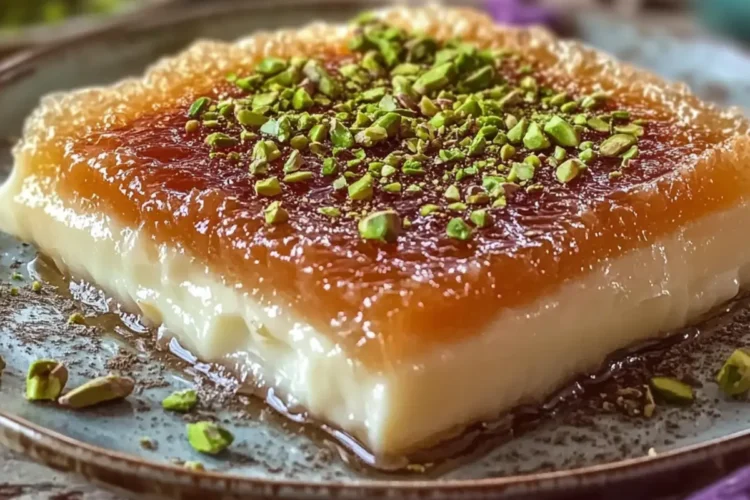
The first time I tried Lebanese Knafeh, I was swept away by its enchanting layers that seemed to hold secrets of the Middle East. This delectable dessert, with its crispy kataifi enveloping melty cheese, transforms an ordinary night into an unforgettable feast. Best of all, making this homemade Lebanese Knafeh takes only 35 minutes, allowing you to treat yourself or your loved ones without hours in the kitchen. The fragrant syrup, infused with rose and orange blossom, adds a touch of romance, making it perfect for special occasions or a sweet indulgence on any given day. Plus, it’s vegetarian-friendly, ensuring everyone can savor its irresistible goodness! So, are you ready to embark on a culinary adventure and experience the magic of Knafeh in your home?
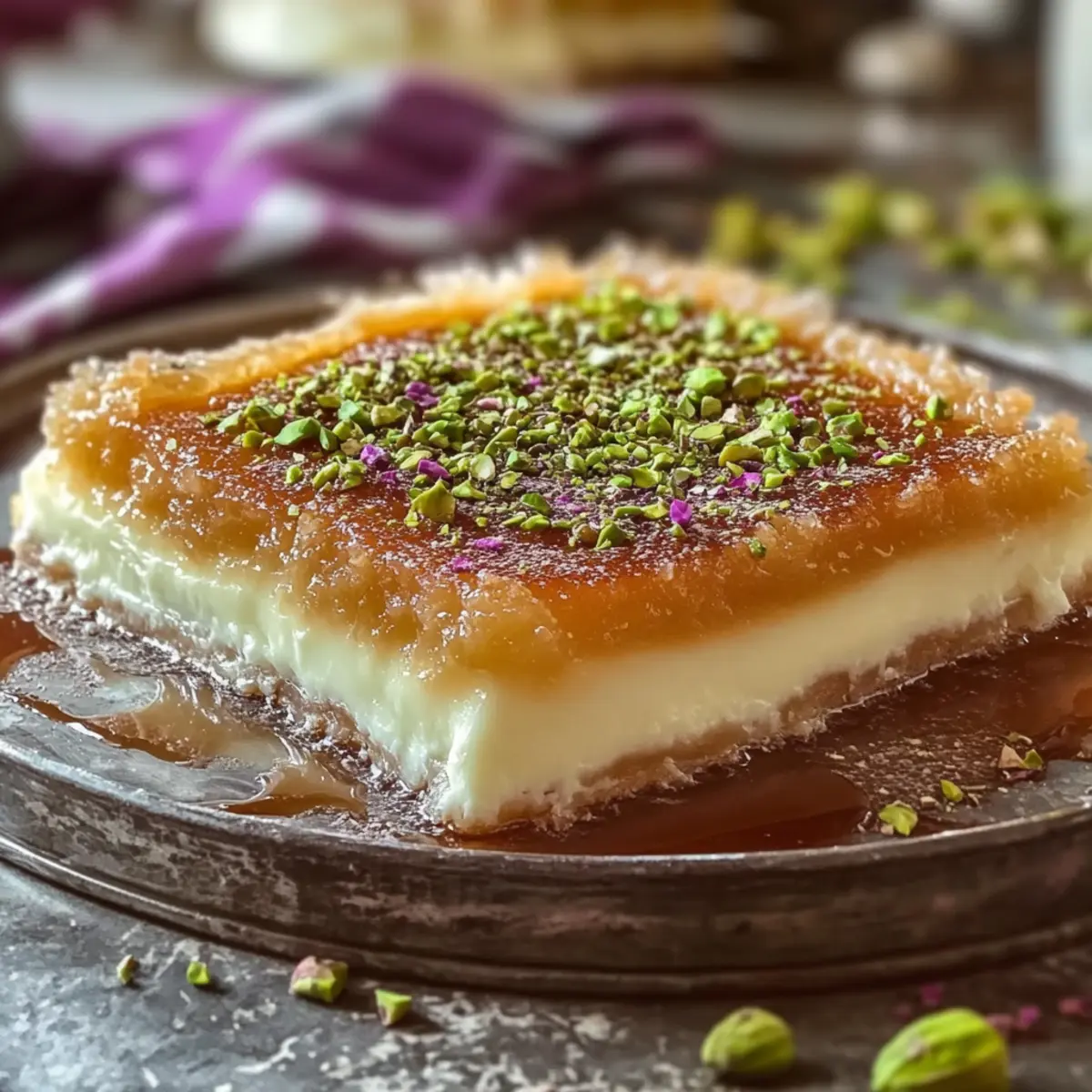
Why is Lebanese Knafeh So Special?
Decadent layers of golden kataifi and creamy cheese create a dessert experience unlike any other. Quick to make, this treat only takes 35 minutes, perfect for those busy evenings. Versatile and customizable, feel free to add your favorite toppings like pistachios or dried fruits. Crowd-pleaser at gatherings, this Knafeh will impress friends and family alike. For an extra indulgence, pair it with clotted cream, similar to what you might enjoy with Mocha Latte or Avocado Toast Cozy. This recipe marries tradition and flavor beautifully, ensuring every bite is a celebration!
Homemade Lebanese Knafeh Ingredients
-
For the Knafeh Base
• Kataifi (500 g) – Provides the crispy texture; look for shredded phyllo dough in Mediterranean or Middle Eastern markets.
• Unsalted Butter (250 g, melted) – Adds richness and flavor to the kataifi base. -
For the Cheese Filling
• Akkawi or Nabulsi Cheese (300 g) – Traditional for authentic flavor; soak if salted, or substitute with low moisture mozzarella.
• Ricotta Cheese (200 g) – Adds creaminess to the filling and balances the texture.
• Fine Semolina or Cornstarch (1 tablespoon) – Optional, helps bind moisture in the cheese filling for a perfect consistency.
• Salt (pinch) – Enhances the overall flavor of the dish. -
For the Sweet Syrup
• Granulated Sugar (2 cups) – Forms the sweet syrup, creating delightful contrast with the cheese filling.
• Water (1 cup) – Acts as the base for the syrup, ensuring the right consistency.
• Fresh Lemon Juice (1 tablespoon) – Balances sweetness and adds brightness to the syrup.
• Rose Water (1 tablespoon) – Infuses floral notes into the syrup for an aromatic finish.
• Orange Blossom Water (1 tablespoon) – Adds aromatic complexity and a lovely fragrance to the syrup. -
For Garnishing
• Chopped Pistachios (½ cup) – For garnish, adding color, crunch, and a delightful finishing touch.
• Clotted Cream Ashta (1 cup) – Optional serving suggestion to enhance richness and creaminess.
This Homemade Lebanese Knafeh recipe is a delightful fusion of textures and flavors, offering a quick and delightful way to impress your loved ones!
Step‑by‑Step Instructions for Homemade Lebanese Knafeh
Step 1: Preheat the Oven
Begin by preheating your oven to 180°C (350°F). While the oven heats up, grab a 30 cm round or 9×13 inch baking pan and generously grease it with melted butter to ensure your homemade Lebanese Knafeh doesn’t stick. This preparation step is essential for achieving that delightful crispiness!
Step 2: Prepare the Cheese
If you’re using salted Akkawi or Nabulsi cheese, soak it in water for 4-12 hours to reduce the saltiness, ensuring a balanced flavor. After soaking, drain the cheese and grate it finely; if using mozzarella, simply shred it. This creamy cheese blend is crucial for the luscious filling of your Knafeh.
Step 3: Make the Syrup
In a saucepan over medium heat, combine 2 cups of granulated sugar with 1 cup of water and 1 tablespoon of fresh lemon juice. Allow the mixture to simmer for 6-8 minutes, stirring occasionally, until the sugar fully dissolves. After this, remove it from heat and stir in 1 tablespoon each of rose water and orange blossom water for that aromatic touch.
Step 4: Prepare the Kataifi
Next, take the kataifi and loosen the strands by gently pulling them apart; this step ensures even cooking and texture. Pour in some of the melted butter, coating the kataifi thoroughly. Reserve a small amount of butter for later. This preparation guarantees that the layers of your homemade Lebanese Knafeh will turn perfectly golden and crispy.
Step 5: Assemble the Base
Press half of the buttered kataifi firmly into the bottom of your greased baking pan, creating a solid base. Use your hands or a spatula to ensure it’s even without any gaps. This step is vital for achieving that sturdy foundation which will support the creamy cheese filling perfectly.
Step 6: Spread the Cheese Mixture
Evenly spread the prepared cheese mixture over the kataifi base, making sure it covers every inch. Gently press down with your fingers to pack it in slightly. This delicious cheesy layer is what makes your homemade Lebanese Knafeh so luscious and irresistible!
Step 7: Top with Kataifi
Now, take the remaining buttered kataifi and layer it on top of the cheese filling. Be sure to brush this layer with the reserved melted butter to ensure a crispy finish. This process of layering is essential for creating a crispy, flaky top that contrasts beautifully with the melty cheese beneath.
Step 8: Bake to Perfection
Place your assembled Knafeh in the preheated oven and bake for 25-35 minutes. Keep an eye on it, looking for a beautiful golden-brown color and bubbling cheese. If the top browns too quickly, simply cover it with aluminum foil to prevent burning.
Step 9: Add the Syrup
Once baked, immediately remove your homemade Lebanese Knafeh from the oven and pour the warm syrup generously over the entire surface. Allow it to rest for about 5 minutes so the syrup seeps in and enhances the flavors. This soaking is crucial for that sweet infusion!
Step 10: Garnish and Serve
Finally, garnish the Knafeh with a sprinkle of chopped pistachios for color and crunch. If desired, serve warm with clotted cream (ashta) for an extra indulgence. Each bite will bring you the sweet, aromatic essence of this delightful dessert!
Make Ahead Options
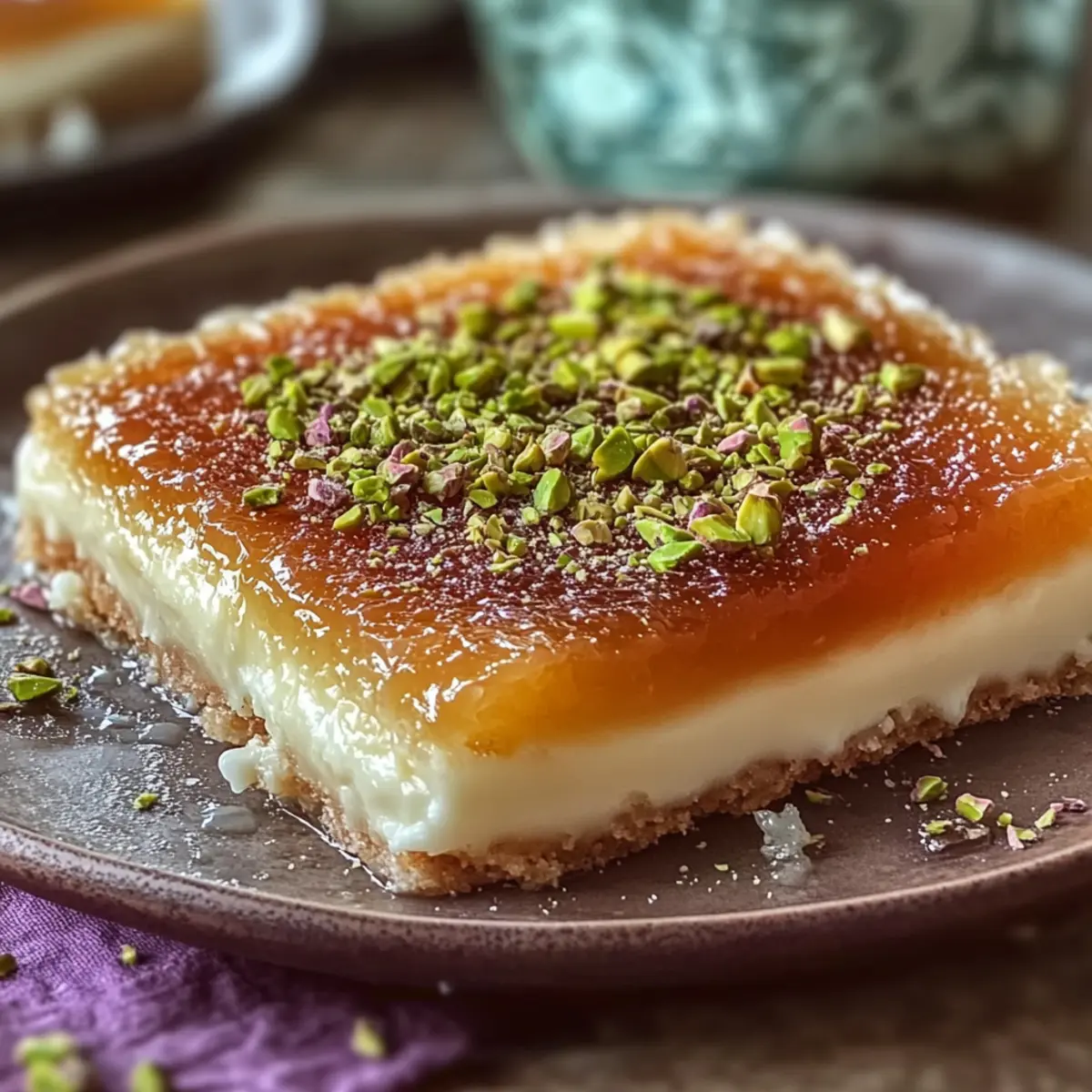
Making Lebanese Knafeh ahead of time can save you precious moments on busy evenings! You can prepare the kataifi and cheese filling up to 24 hours in advance by storing them separately in airtight containers in the refrigerator. This way, the kataifi stays crispy and the cheese maintains its creamy texture. When you’re ready to bake, simply follow the assembly steps, pressing the kataifi and cheese layers together, and then bake as instructed. Remember, if you’re planning to freeze, assemble your Knafeh without the syrup and cover it tightly; it can last for up to 2 months. Just be sure to pour warm syrup over it right after baking for that deliciously sweet finish!
What to Serve with Decadent Lebanese Knafeh?
Indulging in a warm, golden slice of Knafeh invites a sense of celebration; let’s enhance your meal with delightful pairings.
-
Clotted Cream (Ashta): This creamy accompaniment intensifies the sweetness of the Knafeh and adds a luxurious touch of richness. A beloved pairing that resonates with traditional Middle Eastern flavors, it’s perfect for spooning over each bite.
-
Mint Tea: Refreshing and aromatic, this classic Middle Eastern drink complements the dessert’s sweetness while cleansing the palate between bites. A simple yet elegant choice that invites conversation around the table.
-
Chopped Pistachios: Not just for garnish, these crunchy nuts will enhance each forkful with their nutty flavor and delightful texture. They add a festive flair and deepen the dessert’s overall experience.
-
Rosewater Lemonade: A bright, floral drink that brings a summery twist, balancing the dessert’s richness. This thirst-quencher will excite your senses, creating a perfect harmony of flavors.
-
Baklava Bites: Offer a variety of textures with these flaky, nutty treats. Sweet and sticky like Knafeh, Baklava complements it beautifully while introducing yet another layer of indulgence.
-
Fresh Fruit Salad: Light and refreshing, a mix of seasonal fruits like oranges, pomegranates, and berries adds vibrant color and contrasts with the sweet, rich layers of the Knafeh. Plus, it brings a nutritious burst of freshness to the table.
-
Turkish Coffee: Strength and complexity come through in this bold, thick coffee, perfect for cutting through the sweetness of the dessert. It offers a delightful end to your meal, rounding out a Middle Eastern feast beautifully.
How to Store and Freeze Lebanese Knafeh
Room Temperature: Store at room temperature for up to 2 days, covered with plastic wrap or foil to retain moisture and prevent drying out.
Fridge: Keep leftovers in an airtight container in the fridge for up to 5 days. Reheat in the oven for a few minutes to restore its crispy texture.
Freezer: Freeze your homemade Lebanese Knafeh for up to 2 months. Wrap tightly in plastic wrap, then in foil to prevent freezer burn.
Reheating: To reheat from frozen, let it thaw overnight in the fridge, then bake in a preheated oven at 180°C (350°F) until heated through and crispy.
Expert Tips for Homemade Lebanese Knafeh
-
Soak the Cheese Well: Thoroughly soak the Akkawi or Nabulsi cheese to reduce saltiness. This significantly enhances the flavor of your Knafeh.
-
Use the Right Kataifi: Make sure to find authentic kataifi; improper substitutes can alter the texture. Look for it in Mediterranean or Middle Eastern markets.
-
Press Firmly: When layering the kataifi, ensure it’s pressed down firmly. This creates a sturdy base and helps achieve that crispiness you desire.
-
Watch Baking Time: Keep an eye on your Knafeh while it bakes. If the top is browning too quickly, cover it with foil to ensure even cooking without burning.
-
Warm Syrup is Key: Pour the warm syrup over your homemade Lebanese Knafeh right after removing it from the oven. This allows for better absorption, ensuring every bite is sweetly infused.
Homemade Lebanese Knafeh Variations
Embrace your creativity in the kitchen by customizing your homemade Lebanese Knafeh to suit your tastes and preferences!
- Dairy-Free: Replace cheese with a mixture of coconut yogurt and dairy-free cream cheese for a creamy alternative.
- Nutty Topping: Add crushed walnuts or almonds on top before baking for an extra layer of flavor and a delightful crunch.
- Fruity Bliss: Incorporate sliced fresh figs or berries into the cheese layer, bringing a fruity twist that pairs beautifully with the syrup.
- Spice it Up: A sprinkle of cinnamon or nutmeg in the syrup adds warm, aromatic notes that enhance the dessert’s complexity.
- Chocolate Drizzle: For a decadent twist, drizzle melted dark chocolate over the Knafeh before serving, blending sweetness with richness.
- Citrus Zest: Grate some orange or lemon zest into the cheese filling for a refreshing burst of flavor that’ll brighten every bite.
- Inspired Infusions: Experiment with different floral waters like lavender or jasmine in the syrup for a unique aromatic experience.
- Savory Kick: Use feta cheese instead of Akkawi for a tangy, savory rendition that still honors the spirit of this beloved dessert.
Get ready to amaze your friends and family with these creative variations! Each tweak transforms your Knafeh into something uniquely your own. And when you want to keep things simple and classic, don’t forget to pair it with a stunning flat white or your favorite cozy beverage while enjoying that crispy, gooey goodness!
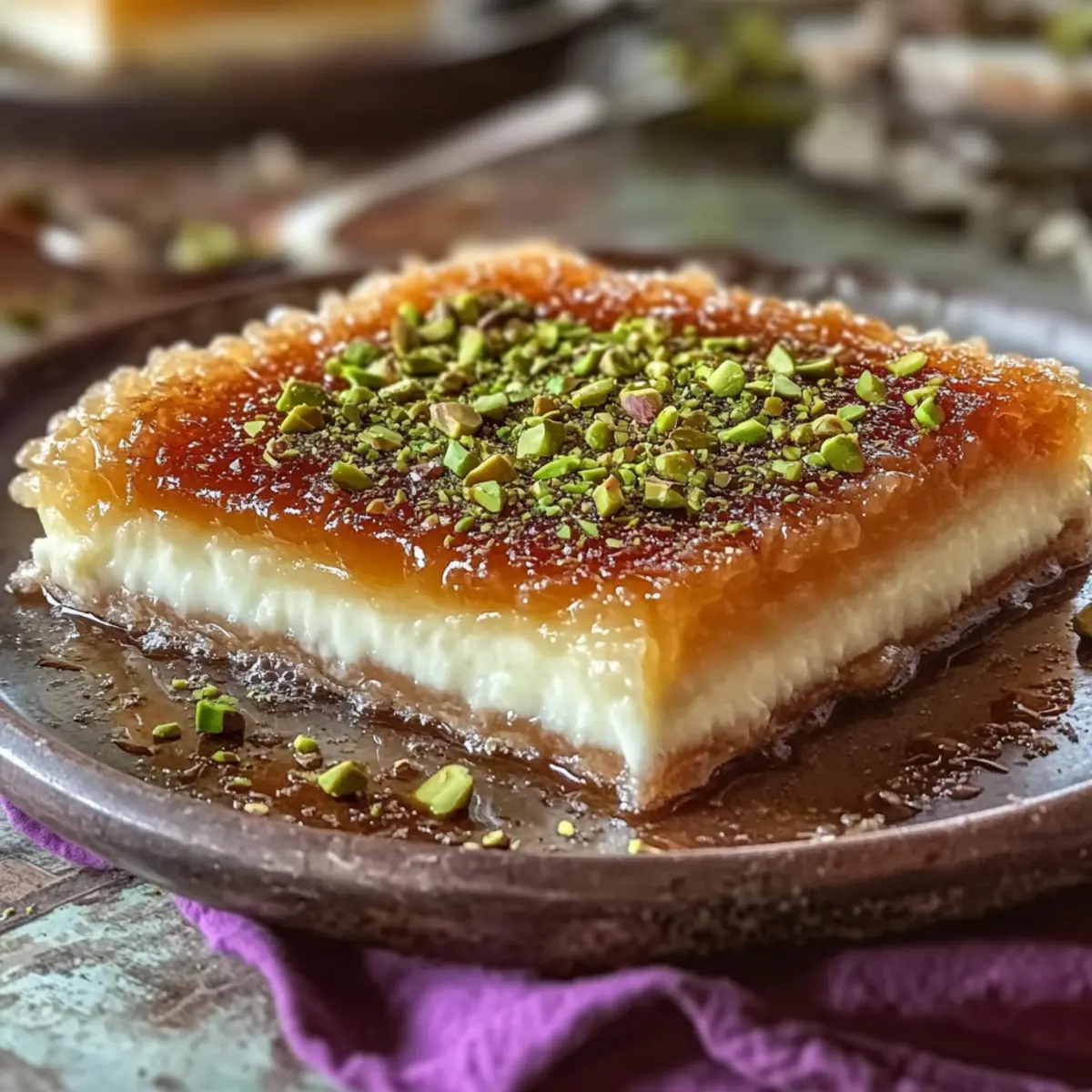
Homemade Lebanese Knafeh Recipe FAQs
What type of kataifi should I use?
Absolutely! For the best results, look for authentic shredded phyllo dough labeled as kataifi in Mediterranean or Middle Eastern stores. This specific type provides the crispy texture that is essential for Lebanese Knafeh. If you can’t find kataifi, consider using thinly shredded phyllo dough, but it may yield a slightly different texture.
How should I store leftover Knafeh?
For sure! Your homemade Lebanese Knafeh can be stored at room temperature for up to 2 days, covered with plastic wrap or aluminum foil to keep it moist. If you want to keep it longer, transfer it to an airtight container and store it in the fridge for up to 5 days. Always reheat in the oven to restore its delightful crispiness.
Can I freeze Knafeh?
Very much! You can freeze your homemade Lebanese Knafeh for up to 2 months. Just make sure to wrap it tightly in plastic wrap and then in foil to protect it from freezer burn. When you’re ready to enjoy it again, thaw it in the fridge overnight, and then reheat it in a preheated oven at 180°C (350°F) until it’s warmed through and crispy.
What should I do if my Knafeh is too salty?
If you find your Lebanese Knafeh is too salty, it likely stems from the cheese. Make sure to soak salty cheeses like Akkawi or Nabulsi for 4-12 hours before using, changing the water occasionally. If your Knafeh is already baked, serve it with a side of clotted cream (ashta) to balance the saltiness, or drizzle extra syrup over the top for added sweetness.
Are there any dietary considerations for Knafeh?
Yes, indeed! Homemade Lebanese Knafeh is vegetarian-friendly, but pay attention to cheese types if you have milk allergies. For a non-dairy alternative, you can experiment with cashew cream or tofu mixtures, though the texture and flavor will differ from traditional recipes. Always check ingredient labels to ensure they match your dietary needs!
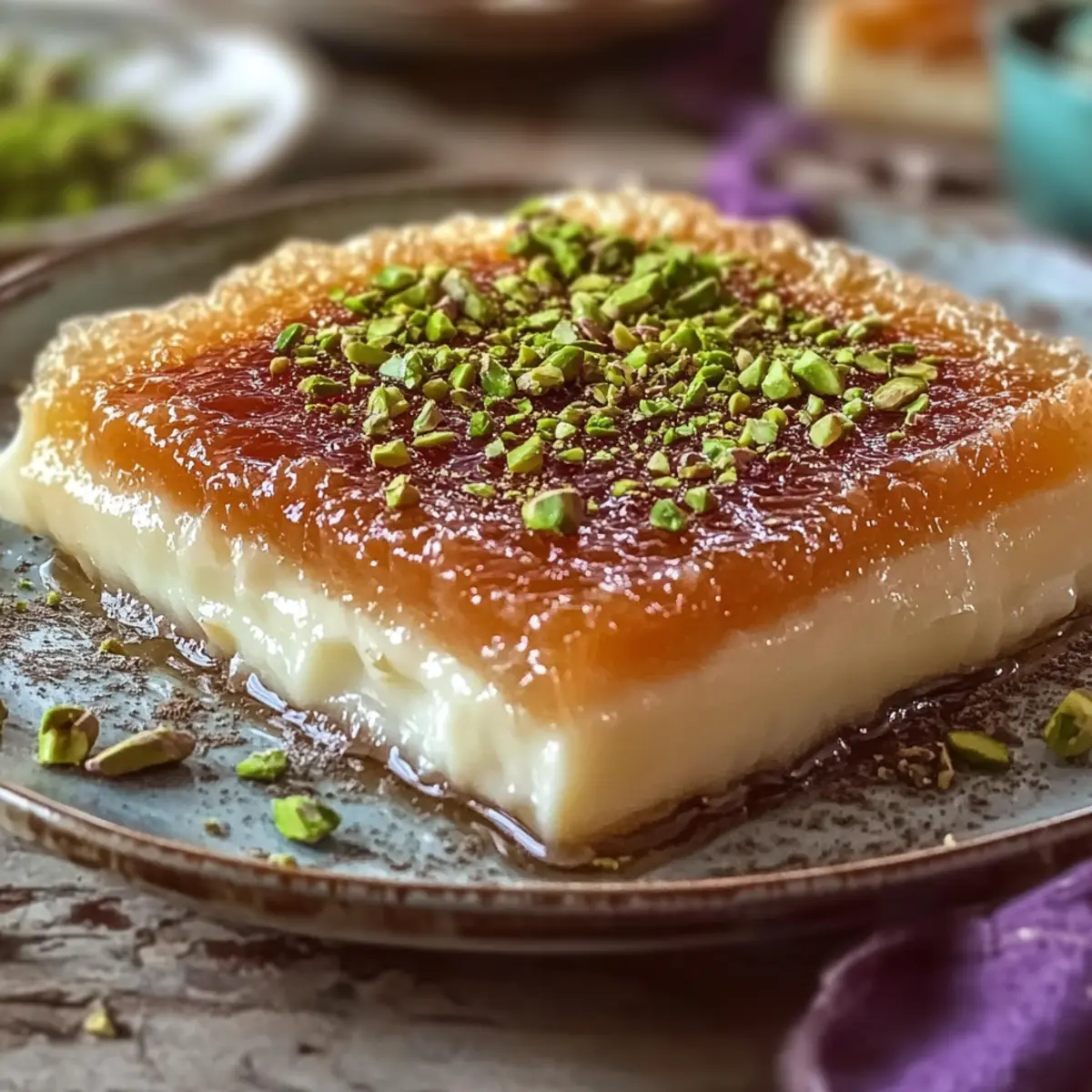
Irresistible Homemade Lebanese Knafeh You Need to Try
Ingredients
Equipment
Method
- Preheat your oven to 180°C (350°F) and grease a 30 cm round or 9x13 inch baking pan with melted butter.
- Soak Akkawi or Nabulsi cheese in water for 4-12 hours if using salted. Drain and grate the cheese finely.
- In a saucepan, combine 2 cups of granulated sugar, 1 cup of water, and 1 tablespoon of fresh lemon juice over medium heat. Simmer for 6-8 minutes until the sugar dissolves, then stir in rose and orange blossom water.
- Loosen the kataifi strands by pulling them apart and coat thoroughly with some melted butter.
- Press half of the buttered kataifi into the bottom of the greased baking pan to create a solid base.
- Spread the prepared cheese mixture evenly over the kataifi base, packing it slightly with your fingers.
- Layer the remaining buttered kataifi on top of the cheese filling and brush with reserved melted butter.
- Bake in the preheated oven for 25-35 minutes until golden brown and bubbling.
- Remove from oven and pour warm syrup over the Knafeh, allowing it to rest for about 5 minutes.
- Garnish with chopped pistachios and serve warm with clotted cream if desired.